
Effective session planning in gambling is a crucial practice that helps players manage their risk and maintain control over their behavior. By thoughtfully preparing before engaging in a gambling session, individuals can mitigate potential losses, reduce impulsive decisions, and sustain a healthier relationship with gambling over time. A structured approach to session planning includes setting limits, understanding game mechanics, and developing strategies that balance entertainment with responsible play.
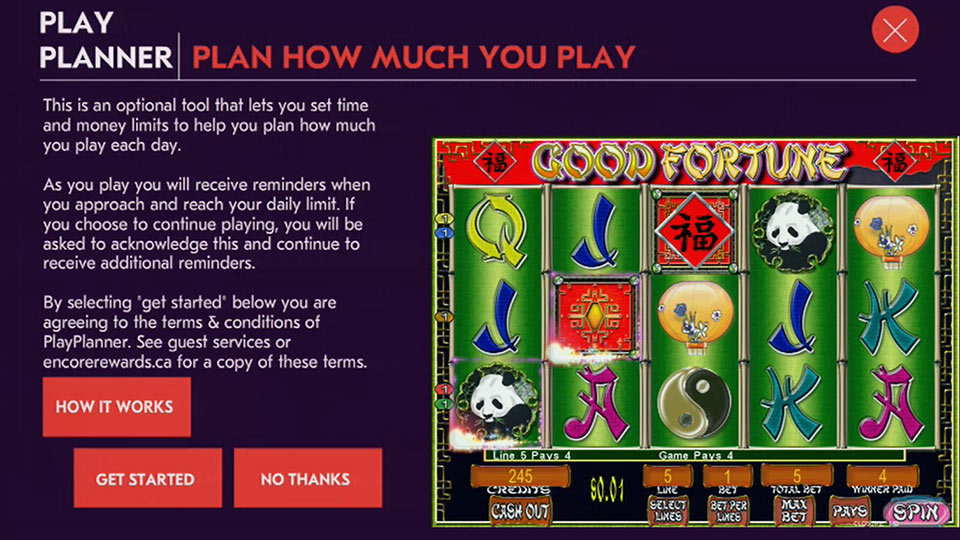
One of the foundational elements of session planning is establishing a clear budget for the session. Players must decide in advance the amount of money they are willing to risk, ensuring that it is an amount they can afford to lose without affecting their financial stability. This predetermined budget acts as a safety net, preventing situations where emotional decisions could lead to overspending. Coupled with a time limit, this financial boundary allows players to enjoy gambling as an entertainment activity rather than a financial pursuit, reducing the pressure to chase losses or overextend themselves in the heat of the moment.
Another key component of effective session planning is the research and understanding of the games being played. Different gambling activities have varied odds, payout structures, and levels of volatility. For instance, slot games often rely heavily on random number generation, while table games such as blackjack or poker incorporate skill elements and strategic decisions. By familiarizing themselves with game rules, probabilities, and payout rates before starting a session, players can make informed decisions that align with their risk tolerance. This knowledge reduces uncertainty and empowers players to approach each session with realistic expectations, preventing overconfidence or misjudgments that can lead to significant losses.
Session planning also involves identifying specific goals for the gambling experience. These goals may range from simply enjoying a set amount of entertainment time to attempting a calculated approach to achieve a moderate profit. Defining objectives helps maintain focus and prevents aimless play, which can often result in impulsive or emotional betting. Players who approach gambling with clear intentions are more likely to adhere to their predetermined limits, as their decisions are guided by a structured plan rather than immediate impulses. This proactive mindset promotes disciplined play and reinforces the notion that gambling should remain a controlled, enjoyable activity rather than an uncontrolled pursuit of wins.
Time management is another essential element in reducing gambling risk. Long sessions can lead to fatigue, decreased cognitive function, and emotionally driven decisions. By setting specific start and end times for a session, players can maintain a clear perspective and avoid the dangers of extended play. Breaks during sessions can also be beneficial, allowing time to reflect on outcomes and recalibrate strategies. Structured time limits help prevent the gradual erosion of decision-making quality and reduce the likelihood of chasing losses, which is a common cause of excessive gambling. Awareness of session duration supports responsible behavior and strengthens a player’s ability to stop while ahead or limit losses effectively.
An additional aspect of session planning is the strategic allocation of bets or wagers within the session. Players can distribute their risk across multiple smaller bets rather than concentrating all funds on a few large wagers. This approach allows for more extended play, provides better learning opportunities about game behavior, and reduces the impact of a single loss. For instance, in slot games, spreading bets over several spins can offer a more balanced experience and reduce volatility, while in table games, strategic bet sizing helps maintain control and prolong engagement. Thoughtful bet management aligns with risk reduction principles and reinforces the importance of planning as a method to protect one’s bankroll.
Monitoring outcomes and maintaining records during sessions also enhances risk reduction. Keeping track of wins, losses, and duration can reveal patterns in behavior, identify areas for improvement, and help maintain accountability. Players who review their session data can adjust future plans, ensuring more informed and responsible decisions. This practice transforms gambling from a purely reactive experience into a reflective one, promoting awareness of personal tendencies and highlighting the importance of maintaining control. Through careful observation, players can identify triggers that lead to impulsive decisions and proactively develop strategies to avoid repeating the same mistakes.
Psychological preparation is another critical dimension of session planning. Players who anticipate potential emotional responses to losses and wins are better equipped to manage them. Strategies such as mindfulness, pre-set stop-loss thresholds, or even scheduled breaks can prevent stress or excitement from influencing decisions negatively. Understanding personal behavioral tendencies allows players to remain calm and rational, minimizing the risks associated with emotional reactions. By preparing mentally, individuals can navigate the inherent unpredictability of gambling while maintaining a sense of control, which is key to risk management.
Ultimately, session planning is about cultivating discipline and foresight. It encourages players to approach gambling with intention, informed by both financial and strategic considerations. It emphasizes preparation, goal-setting, and self-awareness as tools for maintaining responsible play. By implementing structured plans, players reduce exposure to impulsive behavior, mitigate the impact of adverse outcomes, and ensure that gambling remains an enjoyable and controlled activity rather than a source of financial or emotional stress. In this sense, planning each session is not merely a precaution—it is a central practice that defines sustainable and responsible gambling behavior.
Incorporating session planning into regular gambling routines fosters consistency and confidence. Players who habitually prepare for their sessions develop a framework that enhances decision-making and strengthens resilience against risk. Over time, these habits can lead to more positive experiences, as the balance between entertainment and control becomes firmly established. By systematically addressing budget, time, game knowledge, bet strategy, and emotional preparedness, session planning serves as a comprehensive method to reduce risk. It equips players with the tools to navigate uncertainty with clarity and confidence, turning potentially risky activities into structured, mindful, and safer forms of leisure.
The benefits of session planning extend beyond immediate risk reduction. They promote long-term gambling health, prevent problematic behavior, and encourage reflective practices that support continued enjoyment. Structured sessions create a buffer against impulsivity, while informed strategies reinforce responsible engagement. Players learn to respect both their limits and the mechanics of the games they play, which ultimately strengthens their control and minimizes negative outcomes. In this way, session planning is a fundamental practice that transforms gambling into a manageable, predictable, and enjoyable pursuit.








Leave a Reply