
In the fast-paced world of mobile applications, stability is often overlooked in favor of flashy features or aggressive marketing campaigns. However, the true measure of an app’s long-term success lies not only in its functionality but in its ability to operate consistently without interruptions. Users may initially download an app because of its innovative features, visually appealing interface, or compelling promotional campaigns, but what keeps them returning is the assurance that the app will work smoothly every time. Stability, in this sense, becomes the backbone of user trust and loyalty.
When an app frequently crashes, experiences delays, or behaves unpredictably, users are immediately confronted with frustration. Even minor bugs can erode confidence, creating a perception that the app is unreliable or poorly maintained. In contrast, an app that consistently performs well instills a sense of reliability. Users begin to form a habit around it, integrating it into their daily routines because they know it will function as expected. This predictability fosters a sense of security, reducing the cognitive load involved in using the app and allowing users to focus on the content or services it provides rather than worrying about potential technical failures.
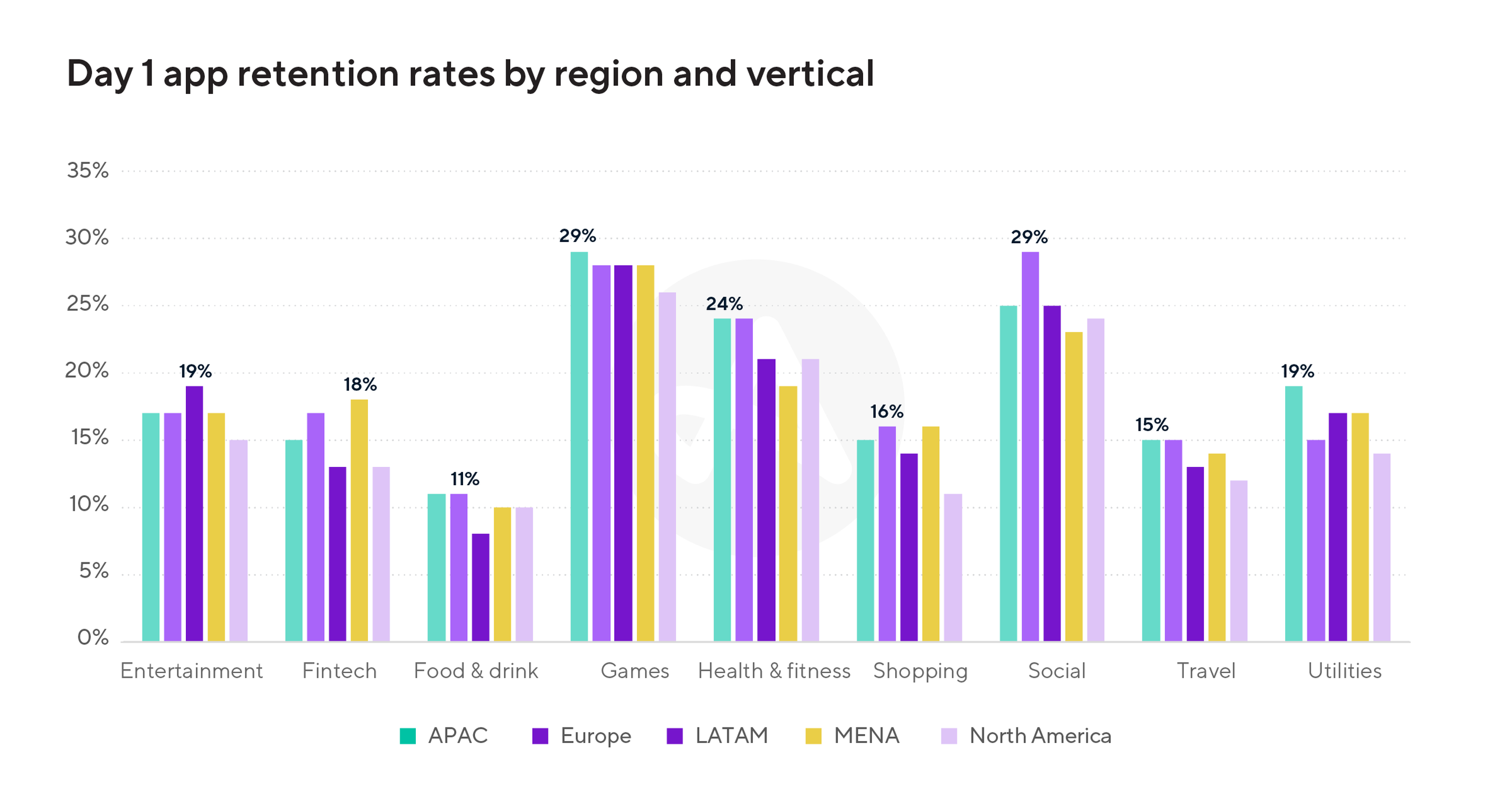
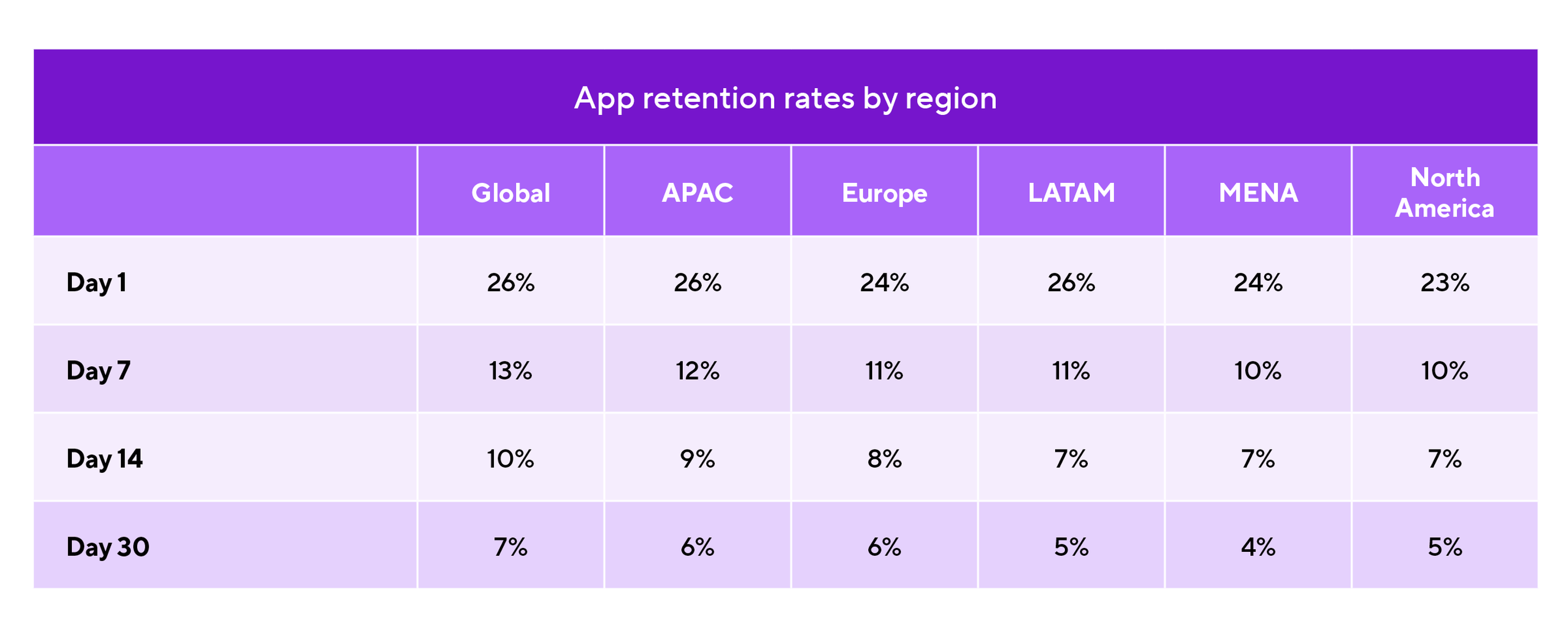
Moreover, stability influences user perception in subtle but profound ways. In an era where users have countless alternatives just a click away, a single negative experience can prompt them to abandon an app permanently. By contrast, apps that demonstrate a track record of stability communicate a commitment to quality and professionalism. Users interpret consistent performance as a sign that the developers understand their needs, value their time, and prioritize their experience. This perception can translate directly into increased engagement, higher retention rates, and, ultimately, long-term loyalty.
Stability also plays a critical role in enhancing the app’s reputation. Word-of-mouth remains one of the most powerful drivers of user acquisition, and this is heavily influenced by user satisfaction. When users encounter an app that functions reliably, they are more likely to recommend it to friends, family, or colleagues. Conversely, if they experience crashes or persistent bugs, they may leave negative reviews or share their frustrations on social media, amplifying the impact of technical failures. Therefore, stability not only retains existing users but also protects and enhances the app’s public image, making it more attractive to potential new users.
From a practical standpoint, stability reduces the need for frequent troubleshooting and customer support interactions. Every time an app crashes or malfunctions, users may reach out for assistance, requiring resources from the support team and potentially creating a negative impression if resolutions are slow or ineffective. A stable app minimizes these occurrences, allowing support teams to focus on enhancing the app rather than constantly resolving preventable issues. This efficiency indirectly contributes to user satisfaction, as fewer disruptions mean fewer frustrations and a smoother overall experience.
App stability also fosters trust, which is a cornerstone of loyalty. Users often store sensitive information within apps, such as personal data, payment details, or preferences. Stability ensures that these systems function correctly, protecting users from data loss or errors that could compromise their information. When users feel confident that an app safeguards their data and consistently performs without error, they are more likely to deepen their engagement, explore additional features, and make repeat purchases if applicable. Trust, once established through consistent performance, becomes a powerful driver of retention.
Another dimension of stability is the psychological comfort it provides. Human behavior is influenced by predictability; people tend to return to experiences that offer consistent outcomes. When an app operates reliably, it becomes a familiar and dependable part of a user’s digital ecosystem. Users do not have to mentally prepare for unexpected crashes or glitches, allowing them to engage with the app fluidly. This seamless interaction reduces friction and promotes a sense of ease, which strengthens the emotional bond between the user and the app.
Furthermore, stability underpins the user’s perception of continuous improvement. While adding new features is important, users notice whether these updates maintain or disrupt the app’s existing stability. An app that consistently delivers updates without introducing new bugs demonstrates competence and attentiveness, reinforcing user confidence. Users perceive such apps as well-managed and responsive to their needs, which encourages ongoing usage and loyalty.
It is also worth noting that stability contributes to a competitive advantage in saturated markets. While many apps may offer similar functionalities, users are likely to favor those that operate seamlessly. Stability becomes a differentiator; even if competing apps have more features or flashier designs, an app that consistently performs without failure will retain users more effectively. This focus on reliability signals to the market that quality and user experience are prioritized over short-term gains or superficial appeal.
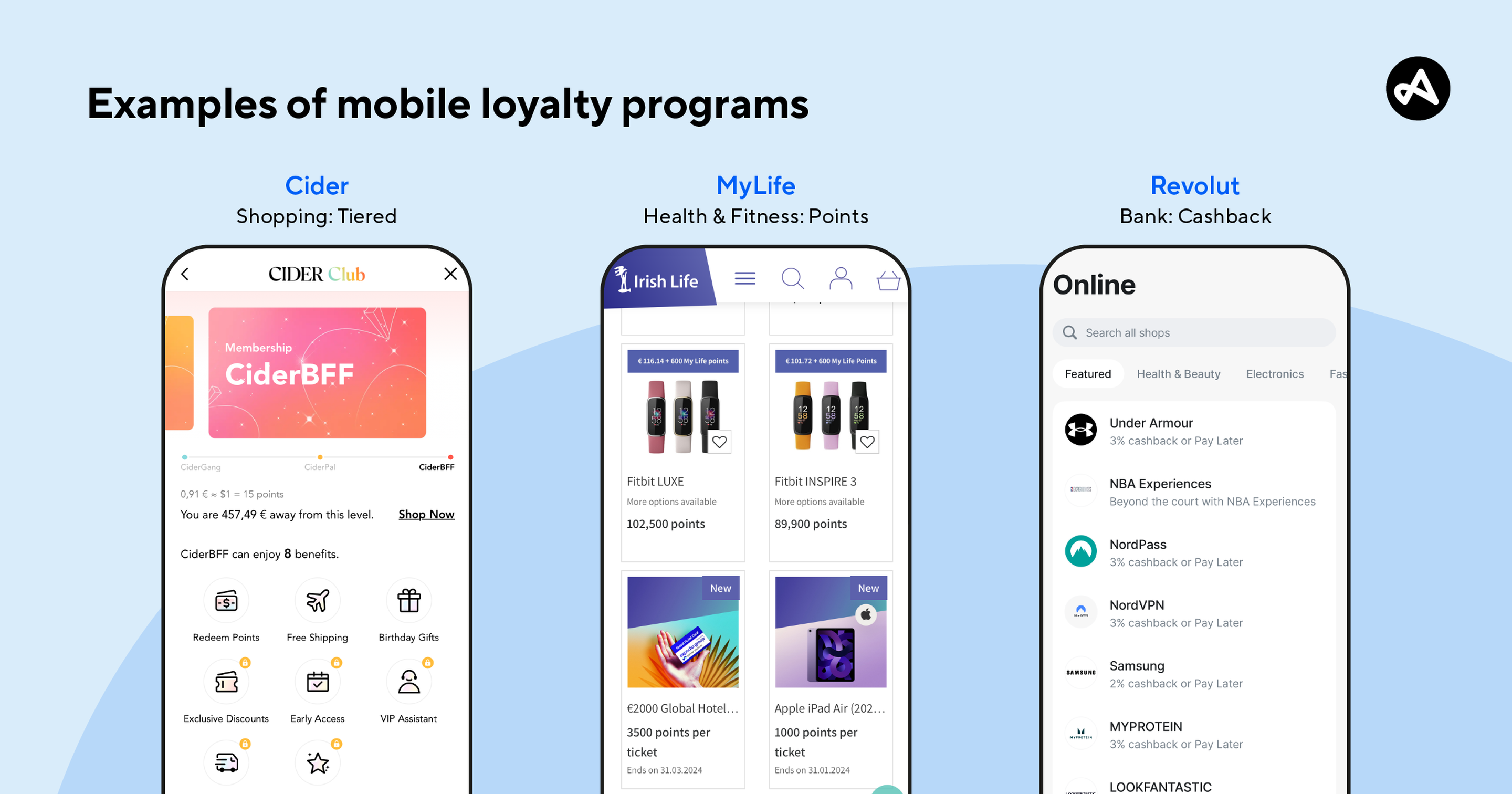
Investing in stability may involve rigorous testing, careful monitoring, and ongoing maintenance, but the payoff is substantial. Developers who prioritize stability cultivate a base of loyal users who are less susceptible to switching to competitors. Stability creates a foundation upon which other engagement strategies, such as personalized content, loyalty programs, or social integrations, can succeed more effectively because users are not distracted by frustrations or technical disruptions.
Ultimately, app stability is more than just a technical requirement—it is a strategic tool for building lasting relationships with users. In a digital landscape crowded with options, users reward reliability. They return to apps that function predictably, trust developers who maintain performance standards, and advocate for apps that integrate smoothly into their daily lives. Loyalty, in this context, is a natural outcome of consistent, dependable performance, demonstrating that sometimes the most powerful growth strategy is not the flashiest feature or the boldest marketing campaign, but the simple assurance that an app will always work when users need it most.

Leave a Reply